

I recently taught an interactive nutritional food workshop in my town of Lyons, what a great time we all had together! I loved how this workshop brought members of the community together. We spent the evening cooking delicious recipes focusing on using anti-inflammatory foods, creating meals that nourish our bodies and minds. There was chatting, laughter, and connection during our time spent together. After we completed our cooking, we all sat down and shared a meal together. This interaction we all had with one another filled me up inside with gratitude and happiness. I was reminded how wonderful social interaction can be even within our own community.
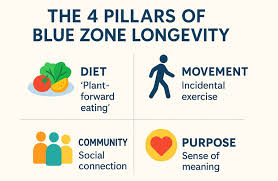
You may have heard of the blue zone regions. These are specific global regions where humans live exceptionally long, healthy lives, often exceeding 100 years, called centenarians. There are a number of common traits that these people share throughout the blue zone regions. One trait I would like to focus on in this blog is strong social connections. Many of these regions are smaller towns that allow the people of those communities to engage with one another. They walk most places vs. driving in cars, they share communal meals, they take care of their elders, and put their family first. These interactions not only support a feeling of having purpose and feeling loved, but also help people to maintain their thinking skills and cognitive abilities.

For the past number of years I have heard and used the terms “food is medicine” and “movement is medicine”. I would also like to offer the concept that “community is medicine”. Social isolation can lead to numerous health deficits in our lives. Human beings are wired for connection. From an evolutionary perspective, being part of a group increased our chances of survival. Fast forward thousands of years and our need for belonging hasn’t changed. Putting an emphasis on building meaningful bonds with those around you can help:
- Lower your risk of chronic disease like heart disease, dementia, high blood pressure, and diabetes.
- Reduce the risk of mental illness and boost resilience in times of stress
- Strengthen your immune system, protecting you from serious disease
- Strengthen cognitive function, including your memory and critical thinking skills
- Regulate your levels of cortisol (the stress hormone) and decrease the resulting inflammation in the body
- Improve your sleep
Beyond the mental, emotional, and physical benefits of social connection, strong relationships also encourage healthy behaviors through accountability and community. For example, you’re more likely to go on a walk or take a workout class if a friend joins you. You’re also more likely to schedule a doctor’s appointment if someone checks in to remind you. Simply put: the quality of our relationships can influence how long and how well we live.